|
1
|
|
|
2
|
|
|
3
|
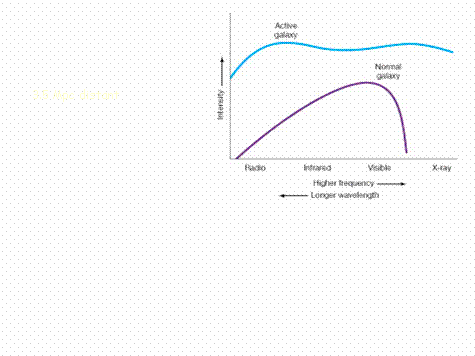
- Seyfert galaxies
- like normal spirals but with bright (> 1011L¤),
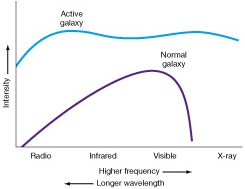
point-like (rapid variability) nuclei; dusty - 75% radiation in
infrared, internal Doppler motions 1000 - 3000 km /s
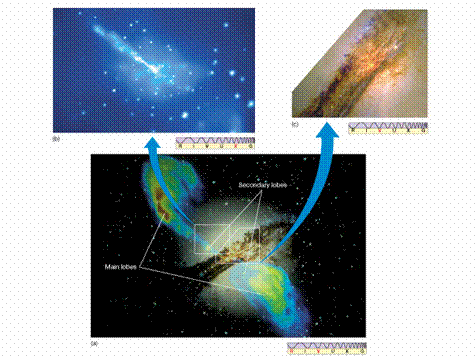
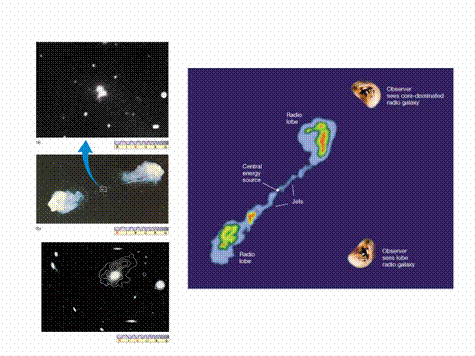
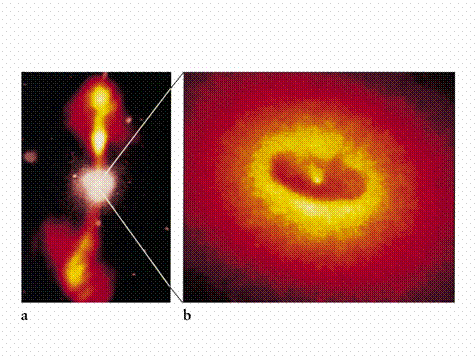
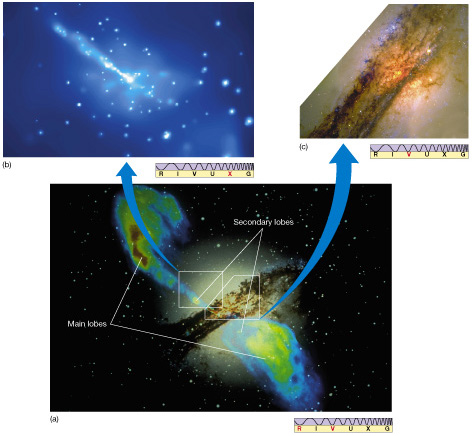
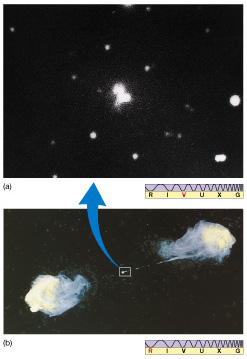
- Radio galaxies (10%)
- often appear like elliptical galaxies; BUT strong radio emission
(lobes) outside galactic nucleus, extend 50 - 1000 kpc ! ® result from very
energetic processes in nucleus e.g.
Centaurus A: visible ® seems like E2, 500 kpc diameter
- All active galaxies
- vast amounts of energy emitted from or generated in central compact
nucleus - jets common (indicate bursts of activity), probable origin? –
galaxy-galaxy interactions
|
|
4
|
|
|
5
|
- many strong radio sources (3C catalog) - no obvious optical counterparts
- 3C48 (1960), 3C273 (1962) identified with faint star-like optical
sources – but spectra inexplicable
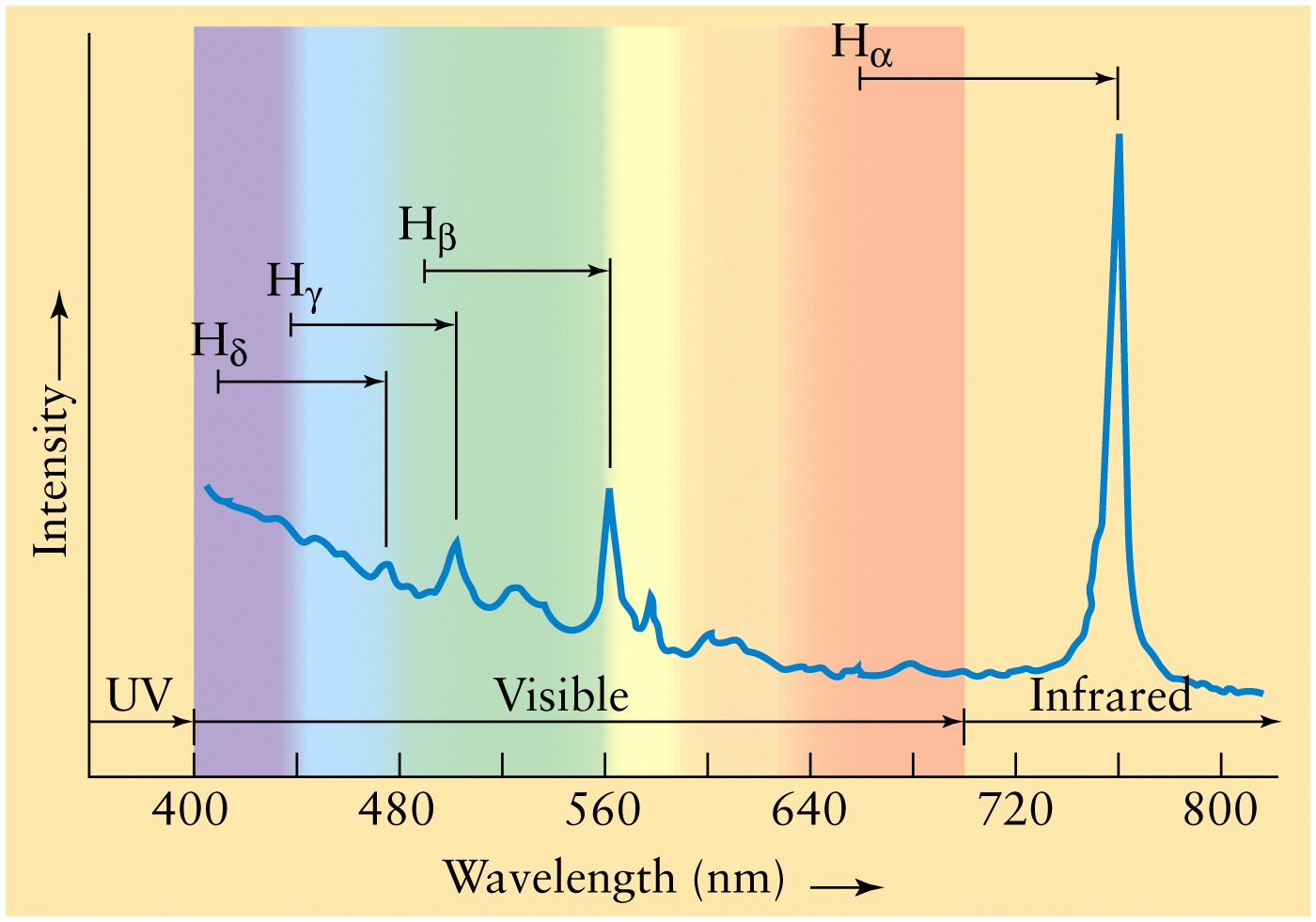
- 1963 - Schmidt & Greenstein (Caltech) ® highly redshifted hydrogen
Balmer lines
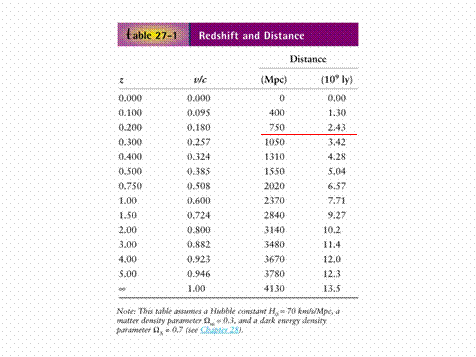
- 3C 273 at 620 Mpc , 3C 48 at 1300 Mpc (from Hubble Law)
- (recessional velocity of 3C 48 ~ 1/3 velocity of light)
- L > 1012 L¤ !!
- light varies within 1 month ® size < 0.1 lyr
- ¯
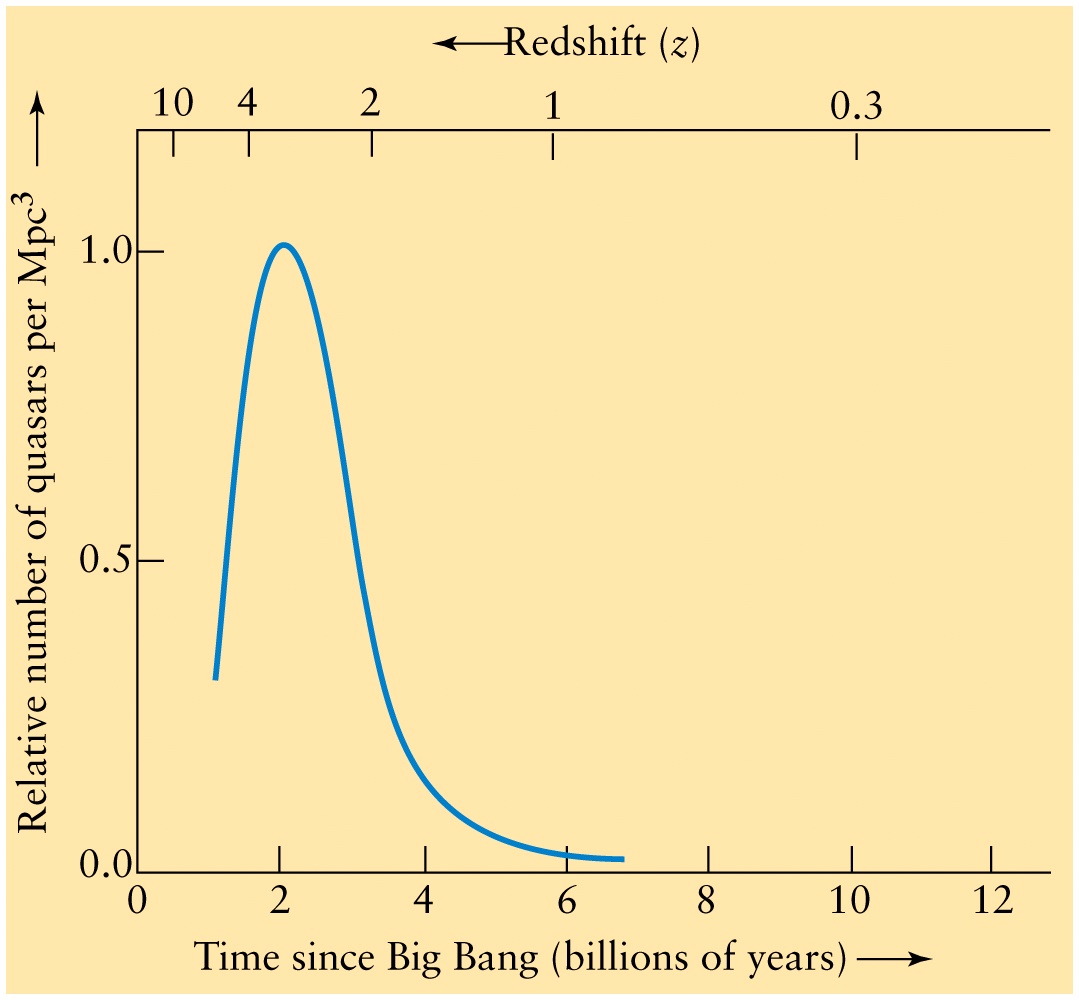
- QUAsi-Stellar radio sources – QUASARS
- now Quasi-Stellar Objects QSOs
|
|
6
|
|
|
7
|
|
|
8
|
|
|
9
|
|
|
10
|
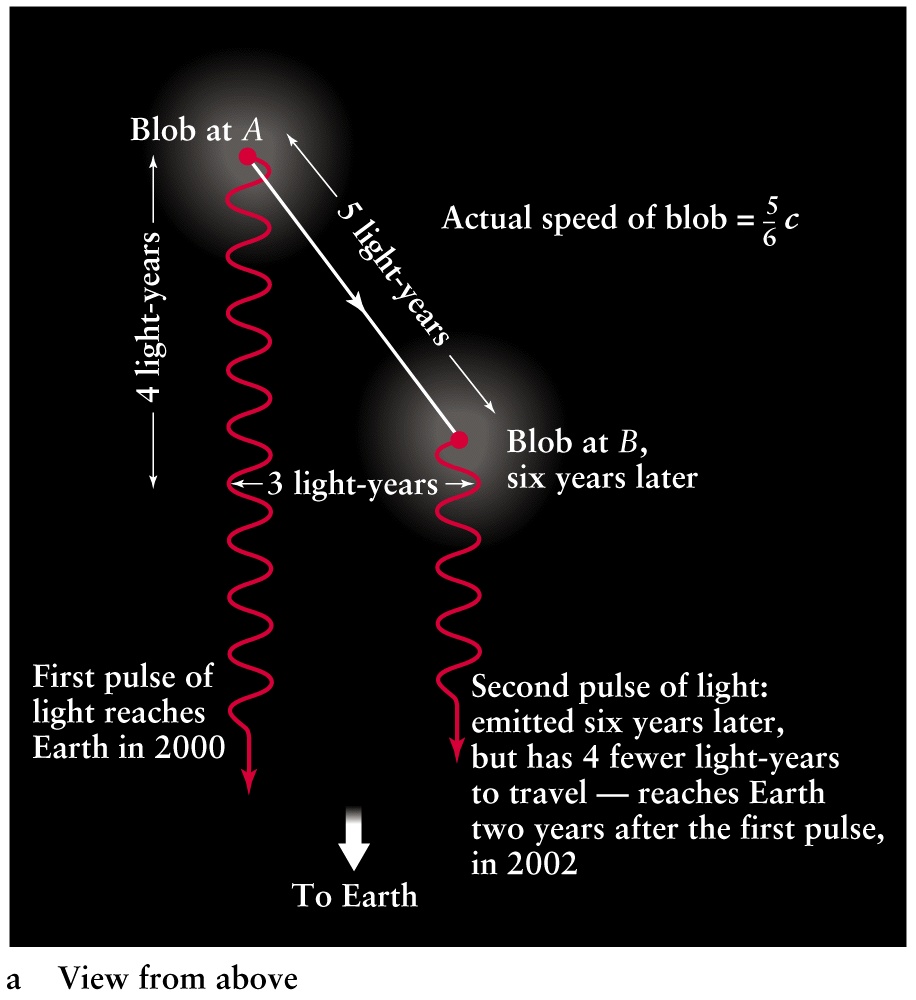
- synchrotron radiation ® jets of relativistic particles
- blazars: double radio sources seen end-on
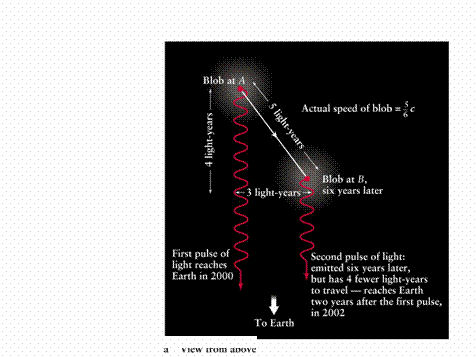
- motions superluminal – appear to exceed speed of light
- superluminal motions observed in some quasars (1 to 5 x c)
- 3C 273: radio emission separating at 0.001 arsec/yr
|
|
11
|
|
|
12
|
|
|
13
|
- Have to account for:
- high luminosities
- non-stellar radiation
- variability ®
compact nuclei (£ 1 pc diam)
- explosive activity – jets
- rapid internal motions (broad emission lines)
- ¯
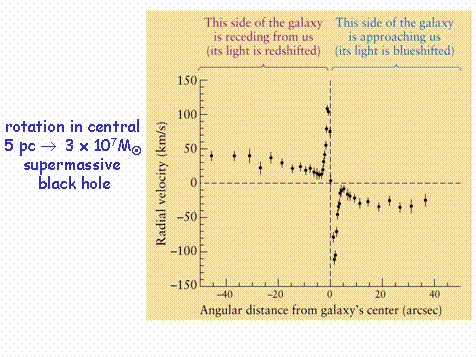
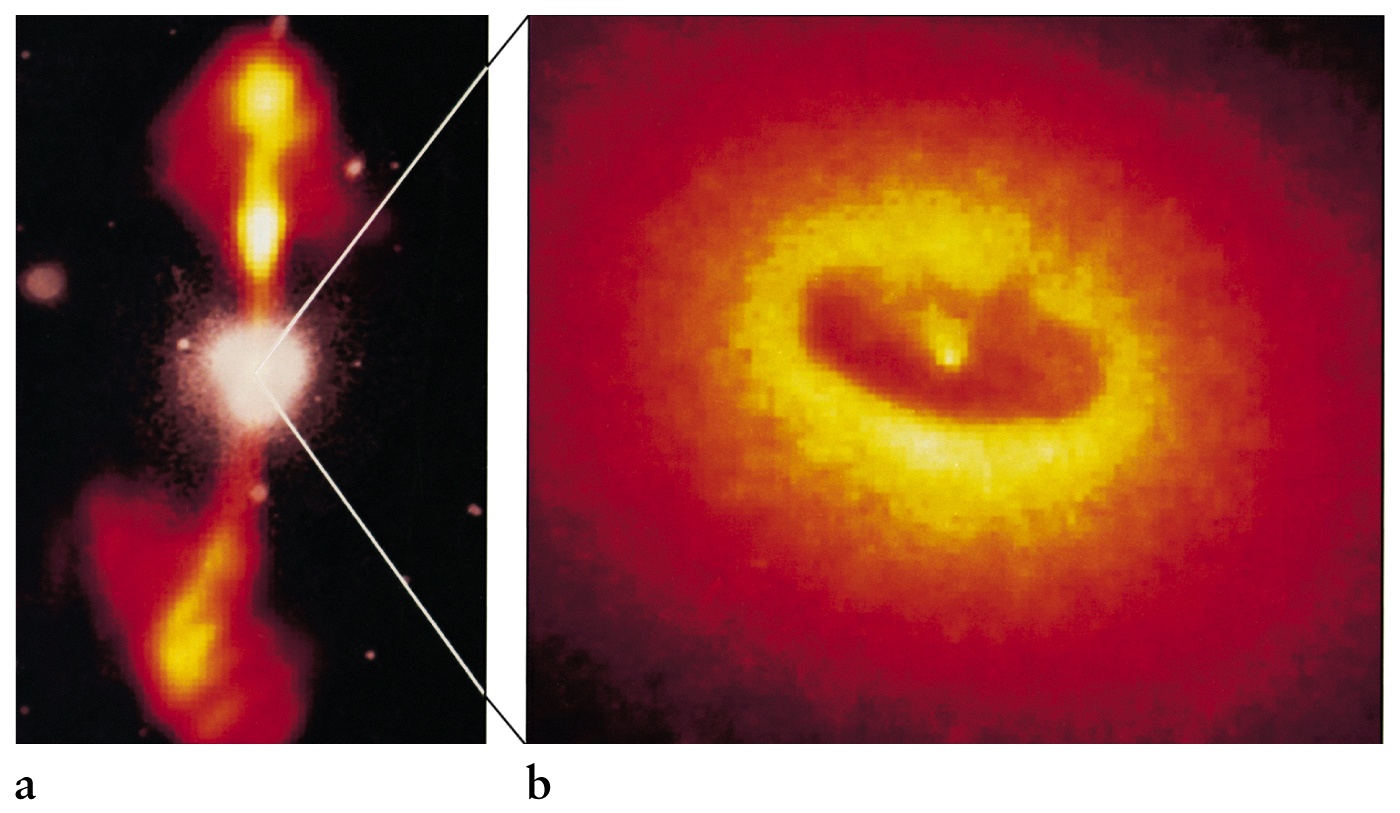
- accretion onto a compact object
- ® supermassive black
hole
- millions – billions x M¤ can have radius 20 AU
- infalling material ®
gravitational energy® kinetic energy® thermal energy® radiation
- jets accompany accretion disks
|
|
14
|
|
|
15
|
|
|
16
|
- Questions and issues:
- size of universe - infinite or finite?
- structure – hierarchies?
- age - limited or forever (in future and in past)?
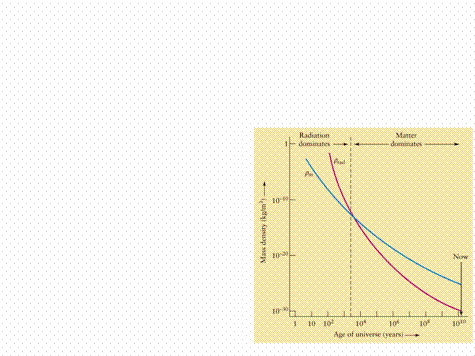
- evolution - relative amounts of matter and radiation?
- atomic composition?
- Speed of light finite ® we can effectively look
-
back in time!!
|
|
17
|
|
|
18
|
- Our cosmic particle horizon = how far can we detect phenomena within age
of universe
- Rhoriz = tuniv
x c
- Can’t see stars further than 14 Blyrs
- & redshifts decrease photon energy (even harder to detect)
- Horizon increasing
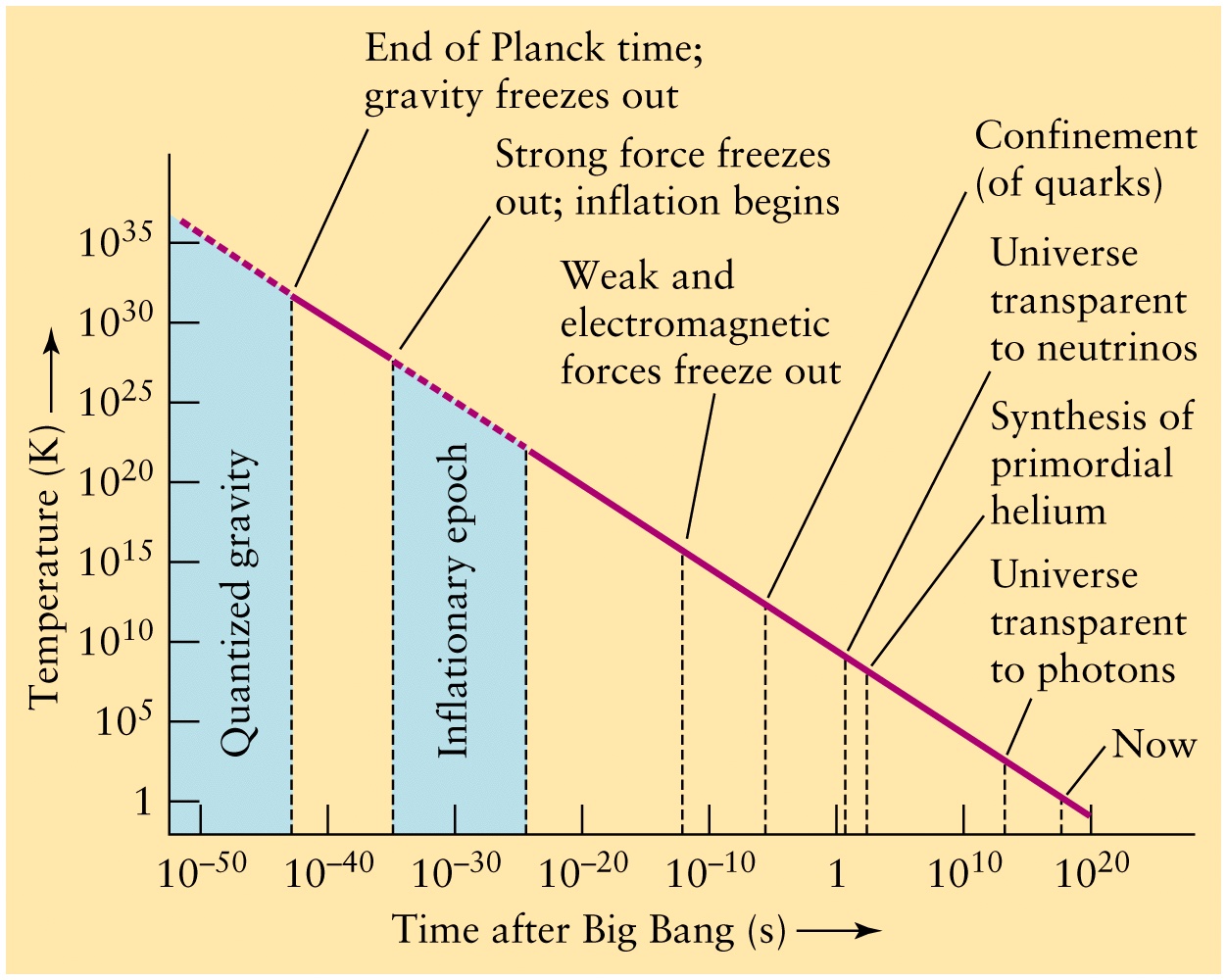
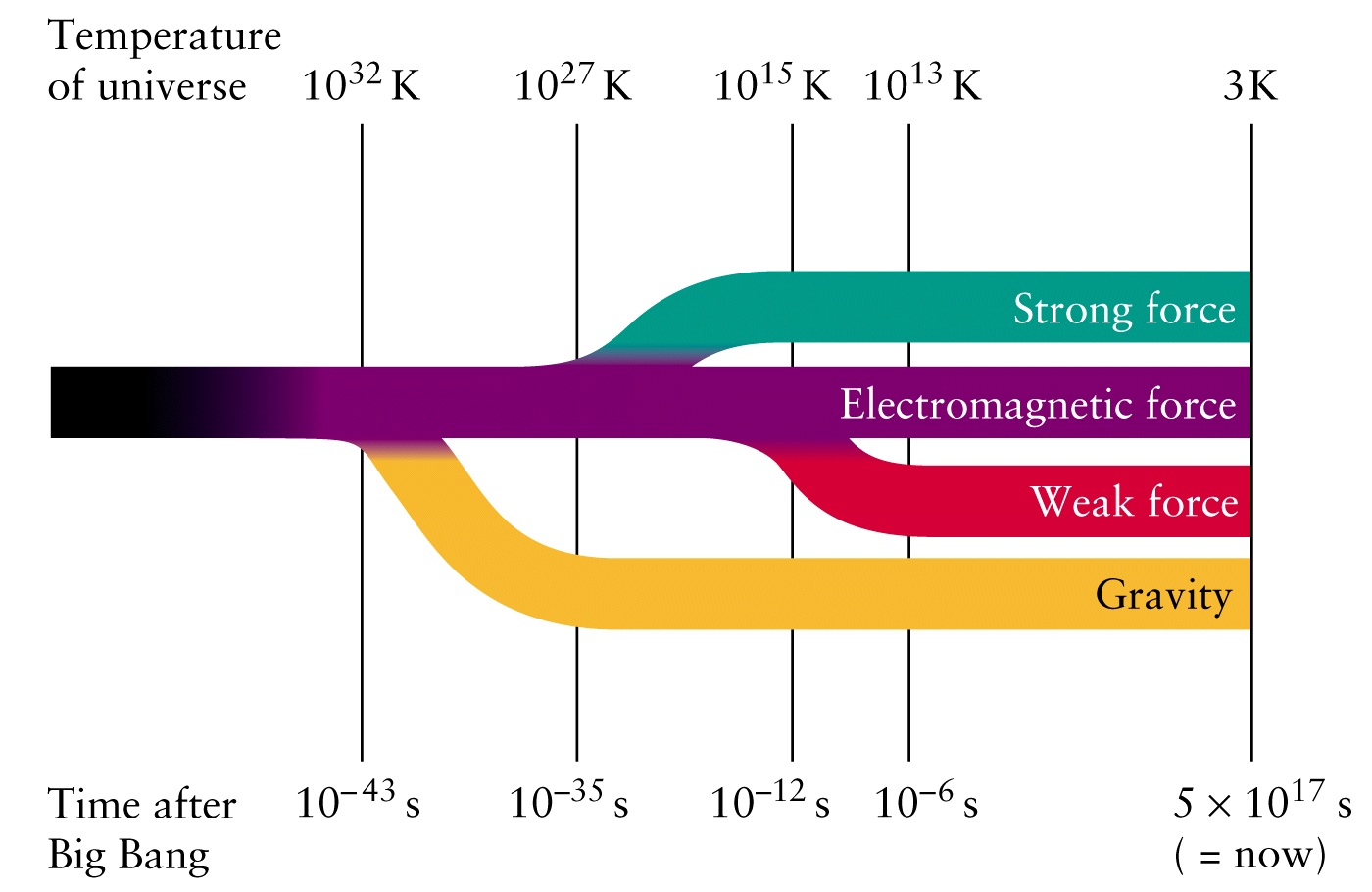
- Planck time tp =( Gh/c5)1/2
- = 1.35 x 10-43
secs time, space behave as today
- Between Big Bang and Planck time nothing known
|
|
19
|
|
|
20
|
|
|
21
|
|
|
22
|
|
|
23
|
|
|
24
|
|
|
25
|
|
|
26
|
|
|
27
|
|
|
28
|
|
|
29
|
|
|
30
|
|
|
31
|
|
|
32
|
|
|
33
|
|
|
34
|
|
|
35
|
|
|
36
|
|
|
37
|
|
|
38
|
|
|
39
|
|

 Notes
Notes